Hollywood doesn’t forget—especially when money’s on the line. And Matthew Lillard knows that better than most. The actor, whose career began in the early '90s with roles that etched themselves into pop culture, has seen a steady stream of work over the past decade, much of it tied not just to talent, but to collective memory. In recent interviews, Lillard has been candid: nostalgia isn’t just a side effect of his continued relevance—it’s the engine.
“I’m not naive,” Lillard said in a 2023 profile. “They’re not calling me because they just discovered me. They’re calling because someone remembers me from Scream or Scooby-Doo. That nostalgia? That’s why Hollywood keeps hiring me.”
It’s a statement that cuts through the usual PR veneer. While many actors downplay the role of past fame, Lillard leans into it—strategically, honestly, and with a surprising level of self-awareness. His take isn’t just a confession; it’s a case study in how the entertainment industry leverages emotional memory to sell content in an oversaturated market.
The Power of Being Remembered—Even Briefly
Nostalgia isn’t just about blockbuster leads or decades-spanning franchises. Sometimes, it’s about a single scene, a delivery, a look. For Lillard, that moment came in 1996’s Scream, where he played Stu Macher, the wide-eyed, seemingly harmless best friend who turns out to be a co-killer. His performance—equal parts goofy and unhinged—was unforgettable. When the film exploded, so did his visibility.
But Lillard didn’t become a Hollywood A-lister. He didn’t chase leading man roles in action films or romantic comedies. Instead, he worked steadily, appearing in indie films, voice roles, and TV guest spots. He was never gone—just out of the spotlight.
Then, the 2010s brought a shift. Franchises began revisiting their roots. Reboots, legacy sequels, and streaming-era revivals created a demand for familiar faces. Suddenly, being “that guy from that thing” wasn’t a liability—it was an asset.
And Matthew Lillard was that guy—from multiple things.
From Stu Macher to Shaggy: Two Icons, One Actor
Few actors can claim to have defined two such culturally distinct characters across different mediums. Stu Macher was dark, chaotic, and violent. Shaggy Rogers, which Lillard took over as the primary voice actor in the 2000s, was the opposite: laid-back, cowardly, snack-obsessed, and endlessly good-natured.
Yet both roles benefit from nostalgia in different ways.
With Scream, it’s horror legacy. The franchise’s revival in the 2020s leaned heavily on bringing back original cast members. When Lillard returned for Scream (2022), it wasn’t as Stu—resurrecting a dead character would’ve strained credibility—but as himself, in a meta-aware nod. He played a fictionalized version of Matthew Lillard, directing a movie about the original Woodsboro murders. The role was cheeky, self-deprecating, and deeply ironic.
Lillard later described the experience as “a love letter to the fans.” He wasn’t just acting—he was participating in the mythology fans had built around the original film. The audience didn’t just recognize him; they wanted to see him. His presence was a signal: “Yes, this is the real deal.”
With Scooby-Doo, the nostalgia runs deeper and broader. Generations have grown up with Shaggy, and Lillard’s vocal performance—starting with What’s New, Scooby-Doo? in 2002—became the definitive modern interpretation. When Warner Bros. launched new animated projects, they didn’t recast. They called Lillard.

His voice is Shaggy now. Not just in tone, but in timing, in inflection, in the way he says “Like, zoinks!” with just the right mix of panic and humor.
“You don’t replace that,” a producer on a recent Scooby-Doo special told Animation Magazine. “Matthew is the character for an entire generation. Recasting would feel like betrayal.”
Why Hollywood Leans on Nostalgia—and Actors Like Lillard
The math is simple: nostalgia sells. It reduces risk. A familiar name or face primes audience interest before a single frame is seen. Marketing can say, “It’s the return of the original voice of Shaggy” or “Stu Macher is back”—and instantly trigger emotional recall.
For studios, actors like Lillard offer built-in audience goodwill. They’re not blank slates. They come with baggage, yes—but also with history, affection, and recognition.
Consider the landscape:
- Stranger Things revived the careers of Winona Ryder and David Harbour.
- The Scream franchise brought back Neve Campbell, Courteney Cox, and Roger L. Jackson.
- Obi-Wan Kenobi and Andor pulled in veteran Star Wars actors to anchor new stories.
In each case, nostalgia wasn’t incidental—it was central to the pitch.
Lillard operates in a slightly different lane. He’s not a household name like Campbell or Ryder. But he’s a “household moment” actor—the person you remember from a key scene or childhood favorite. That’s a specific kind of cultural equity, and it’s surprisingly valuable.
Nostalgia Without Stagnation: How Lillard Avoids the Trap
One risk of leaning on nostalgia is becoming trapped by it. Actors can become typecast, reduced to conventions, or seen as relics. Lillard has avoided that fate—not by rejecting nostalgia, but by using it as a springboard.
His post-Scream comeback roles have often played with meta-humor. He’s appeared in films and shows that wink at his status as a cult figure. In The Most Dangerous Game (2020), he played a survivalist with a dark sense of humor—echoing Stu’s unpredictability, but with more depth.
He’s also embraced voice work beyond Shaggy. He’s voiced characters in Scooby-Doo! Mystery Incorporated, Harvey Birdman, Attorney at Law, and video games like The Last of Us Part II, where he played a minor but memorable role. Voice acting lets him stretch creatively while still benefiting from audience familiarity.
“People know my voice,” he said in a 2021 podcast. “That means I can do other things—scary roles, serious roles, weird roles—and they’ll still listen. Nostalgia opens the door. I just have to walk through it with something new.”
Behind the Scenes: The Business of Being “That Guy”
What does it mean, practically, to be a nostalgia-hired actor?
For Lillard, it means:
- Fewer auditions – Studios reach out directly.
- Higher leverage in negotiations – His name has value in press materials and trailers.
- Creative input – Especially in voice roles, he’s often consulted on character tone.
- Selective availability – He can pick projects that align with his brand or interests.
But it also comes with limitations:
- Typecasting risk – He’s often offered “quirky best friend” or “comedic sidekick” roles.
- Reduced dramatic range recognition – Despite strong performances in indie films, he’s rarely considered for serious lead roles.
- Oversaturation – Too many nostalgia-driven appearances can dilute impact.
Lillard mitigates these by staying selective. He’s turned down reboots that felt cash-grabby. He’s avoided overexposure in Scooby-Doo spin-offs. And he’s used his platform to advocate for indie filmmakers and emerging talent.
A Model for the Modern Character Actor
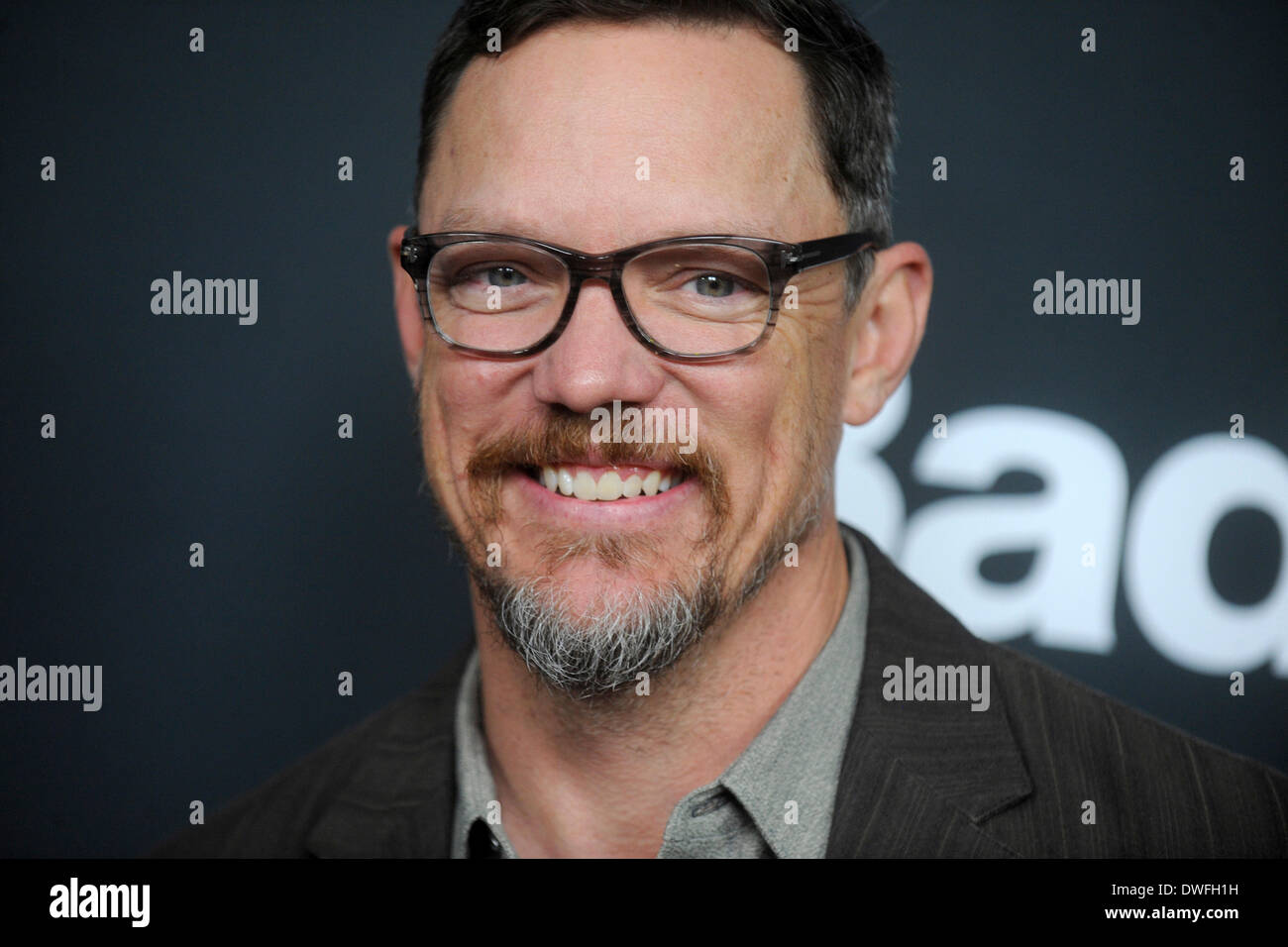
Matthew Lillard isn’t chasing an Oscar. He’s not trying to be the next action hero. But he’s built a sustainable, decades-long career in an industry that discards people ruthlessly.
His secret? He understands the game.
He knows that audiences don’t just want content—they want connection. And connection often comes through memory.
Other character actors could learn from his approach:
- Embrace your legacy – Don’t shy away from your most famous role. Own it, then expand from it.
- Leverage voice work – It’s less visible, but more consistent and creatively fulfilling.
- Stay media-savvy – Lillard is active on social media, does fan conventions, and participates in retrospectives. He keeps the connection alive.
- Be self-aware – Audiences respect honesty. When he jokes about being hired for nostalgia, it disarms skepticism.
The Future of Nostalgia in Casting
Lillard’s career is a bellwether. As streaming services mine IP and franchises cycle through reboots, the demand for original cast members will only grow. But not every actor from the '90s or early 2000s will get a second act.
What sets Lillard apart?
- Distinctiveness – He’s not just another pretty face. His performances are quirky, energetic, memorable.
- Versatility across mediums – Live-action, voice, comedy, horror—he’s covered multiple bases.
- Fan goodwill – He’s seen as authentic, approachable, and grateful.
Hollywood will keep hiring him—not just because of nostalgia, but because he knows how to serve it without being consumed by it.
For fans, that means more of the characters they love, delivered with authenticity. For the industry, it’s a reminder that sometimes, the most valuable thing an actor brings isn’t just talent—it’s memory.
Key Takeaways for Aspiring Actors
- Build a memorable moment – One standout role can sustain a career.
- Own your niche – Lillard didn’t fight being “the weird guy.” He mastered it.
- Stay adaptable – Move between mediums, genres, and formats.
- Engage with fans – Conventions, social media, and interviews keep you relevant.
- Work with nostalgia, not against it – It’s not selling out. It’s smart branding.
Matthew Lillard didn’t just survive Hollywood—he learned its rhythms. And right now, the rhythm is nostalgia. He’s not just keeping time. He’s leading the band.
FAQ
Why does Hollywood keep casting Matthew Lillard? Because he’s associated with beloved roles like Stu Macher in Scream and the voice of Shaggy, making him a nostalgia-driven draw for audiences.
Did Matthew Lillard really say nostalgia is why he’s still working? Yes—he’s openly stated in interviews that studios hire him because audiences remember and connect with his past roles.
Is Matthew Lillard still the voice of Shaggy? Yes, he remains the primary voice actor for Shaggy in most new Scooby-Doo content, continuing a role he’s played since the early 2000s.
What made Matthew Lillard’s role in Scream so memorable? His performance as Stu Macher combined humor, unpredictability, and a shocking reveal, making him one of horror’s most iconic secondary villains.
Can nostalgia alone sustain an acting career? Not alone—but when combined with talent, adaptability, and smart choices, it can create long-term opportunities, as Lillard’s career shows.
Has nostalgia casting become a trend in Hollywood? Yes, studios increasingly bring back original actors for reboots and sequels to tap into fan loyalty and reduce marketing risk.
What other actors benefit from nostalgia like Lillard? Neve Campbell (Scream), Ewan McGregor (Star Wars), and Courteney Cox are examples of performers whose returns are driven by audience nostalgia.
FAQ
What should you look for in Matthew Lillard on Why Nostalgia Keeps Him Working in Hollywood? Focus on relevance, practical value, and how well the solution matches real user intent.
Is Matthew Lillard on Why Nostalgia Keeps Him Working in Hollywood suitable for beginners? That depends on the workflow, but a clear step-by-step approach usually makes it easier to start.
How do you compare options around Matthew Lillard on Why Nostalgia Keeps Him Working in Hollywood? Compare features, trust signals, limitations, pricing, and ease of implementation.
What mistakes should you avoid? Avoid generic choices, weak validation, and decisions based only on marketing claims.
What is the next best step? Shortlist the most relevant options, validate them quickly, and refine from real-world results.