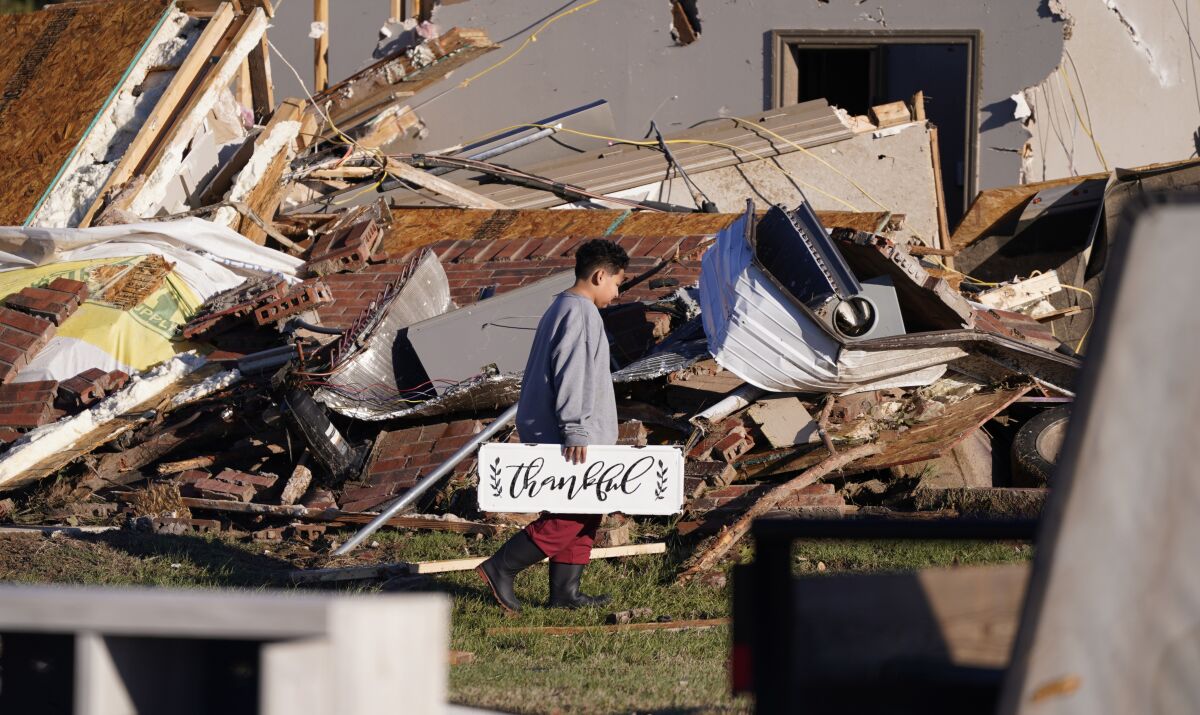
Two lives have been lost, dozens injured, and entire neighborhoods reduced to rubble after a violent outbreak of tornadoes tore through northern Texas. The storms, which struck with little warning in the early hours, flattened homes, flipped vehicles, and left communities scrambling for survivors amid twisted metal and shattered infrastructure.
The hardest-hit areas include small towns near the Red River Valley, where multiple confirmed tornado touchdowns obliterated residential zones. Local officials confirmed the fatalities in Montague and Cooke Counties, with search and rescue teams working through the night to locate missing residents trapped under debris.
This event underscores the volatile nature of springtime weather in the southern Plains—where tornadoes form with alarming speed and often catastrophic outcomes. For residents, it’s a grim reminder of both the power of nature and the fragility of early-warning response in rural and underserved communities.
The Storm System That Turned Deadly
The tornadoes emerged from a supercell thunderstorm complex that developed rapidly along a strong cold front sweeping across the southern U.S. Meteorologists at the National Weather Service (NWS) in Fort Worth had issued tornado watches hours in advance, but the swiftness of the storm’s evolution left little time for preparation.
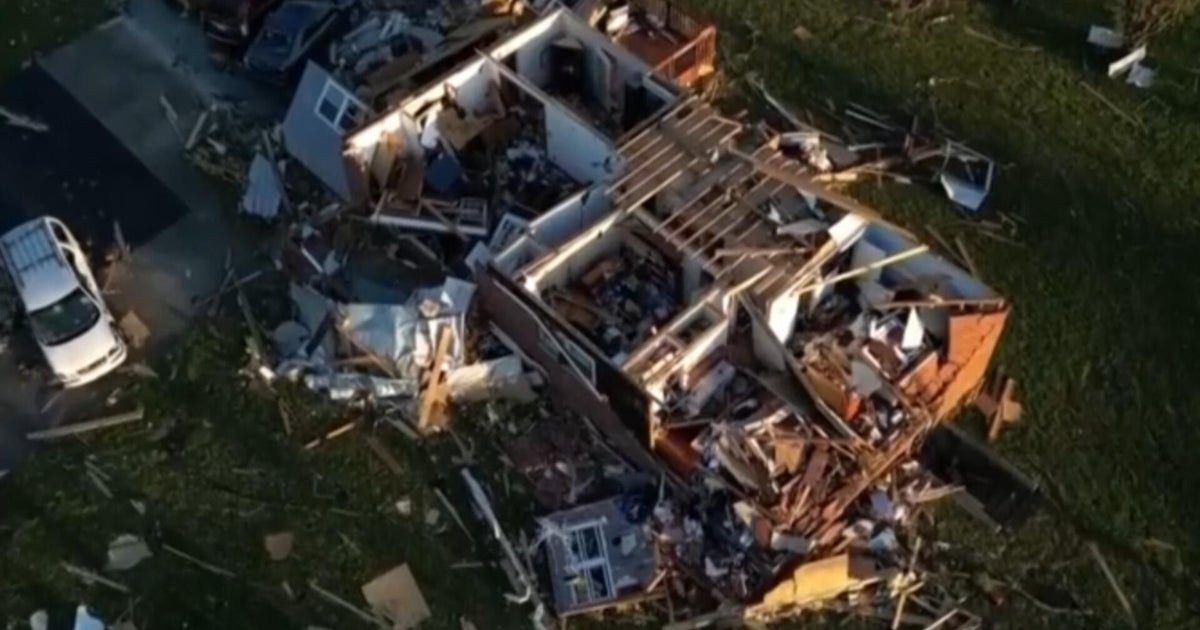
One tornado, estimated to be EF-3 strength with winds between 136–165 mph, carved a 15-mile path through rural Montague County. Aerial footage shows entire streets wiped clean—foundations exposed, trees stripped bare, and vehicles tossed like toys. A second destructive funnel, possibly EF-2, struck near Gainesville, damaging critical infrastructure including a medical clinic and a fire station.
“We went from clear skies to hearing the tornado siren—then the roof was gone,” said Mary Ellen Reeves, a resident of Ringgold, describing how she and her family survived by sheltering in a closet. “The wind sounded like a train that never passed.”
The NWS confirmed at least five tornado touchdowns in a six-hour window overnight. Emergency dispatchers reported a surge in 911 calls from people reporting structural collapses, downed power lines, and missing family members.
Human Toll: Lives Lost and Communities Shattered
The confirmed fatalities include a man in his 60s found beneath the wreckage of a mobile home and a woman in her 40s who was unable to reach a shelter in time. Both structures were completely destroyed, with no walls left standing.
Hospitals in Sherman and Bowie activated mass casualty protocols, treating over 30 patients with injuries ranging from lacerations and fractures to severe trauma. At least eight people remain in critical condition.
First responders faced difficult decisions in the aftermath—prioritizing areas based on reported entrapments and using thermal drones to scan debris fields. In one case, a K-9 unit located a trapped elderly man under a collapsed barn, pulling him out alive after nearly 12 hours.
“We’re dealing with access issues,” said Fire Chief Darren Lowe of Cooke County. “Roads are blocked, cell towers are down, and some neighborhoods are unreachable by standard vehicles. We’re using ATVs and even horses to move supplies.”
Why Northern Texas Is Vulnerable to Tornadoes
Northern Texas sits in a high-risk corridor for tornadoes, often referred to as “Tornado Alley Lite”—a zone where warm, moist air from the Gulf collides with dry, cooler air from the Rockies, creating ideal conditions for supercells.
But beyond geography, several factors amplify the danger:
- Rural infrastructure: Many homes are older, not built to withstand high winds, and lack storm shelters.
- Mobile home density: Over 15% of housing stock in affected counties is mobile homes, which are 20 times more likely to result in fatalities during tornadoes, according to NOAA.
- Alarm fatigue: Frequent false alarms lead some residents to ignore warnings.
- Nighttime storms: These tornadoes struck after midnight, reducing visibility and slowing reaction time.
In communities like Ringgold and Ennis, where populations are small and emergency resources limited, response times can stretch to 30 minutes or more—far too long when a tornado strikes without warning.
One resident in Decatur described how the outdoor warning siren failed to activate. “We only knew because my phone pinged with an emergency alert. By then, the wind was already howling.”
Emergency Response: Coordination Amid Chaos
In the immediate aftermath, the Texas Division of Emergency Management (TDEM) deployed urban search and rescue teams, mobile command units, and temporary communications hubs. The Red Cross established two emergency shelters in Bowie and Whitesboro, housing over 120 displaced people.
Utility crews from neighboring counties are working to restore power to more than 18,000 customers. But progress is slow—downed power lines are tangled with debris, and damaged substations require full replacement.
One innovation aiding recovery is the use of GIS mapping tools to track damage zones in real time. The NWS and local agencies are overlaying drone-collected imagery with building data to identify high-priority areas.
Still, gaps persist. “We don’t have enough shelters with proper reinforcement,” said Dr. Lena Cho, a disaster preparedness expert at Texas A&M. “In rural areas, people are told to ‘go to the basement’—but many homes don’t have basements. That’s a fatal disconnect.”
What Survivors Need Now For those who lost homes, the road to recovery begins with immediate needs: food, clean water, medical care, and temporary shelter. But longer-term challenges loom—insurance claims, mental health support, and rebuilding.
Practical steps survivors should take:
- Document damage immediately with photos and videos before cleanup.
- Contact insurance providers as soon as possible—even if policies are unclear.
- Register with FEMA for individual assistance, which can cover temporary housing and repairs.
- Seek mental health support—disaster-related PTSD is common but often untreated in rural areas.
- Avoid downed power lines and unstable structures—many secondary injuries occur during cleanup.
Local churches and nonprofits have begun organizing donation drives for clothing, hygiene kits, and baby supplies. However, volunteers are urged not to self-deploy, as uncoordinated efforts can hinder official operations.
How to Prepare Before the Next Storm
While no one can prevent a tornado, preparation drastically improves survival odds. The northern Texas outbreaks reveal critical gaps that residents and officials must address now.

Home Hardening Tips: - Install a storm shelter or reinforce an interior room (no windows, central location). - Anchor mobile homes to permanent foundations (if possible) and identify nearby shelters. - Keep an emergency kit with flashlight, batteries, first aid, and copies of IDs.
Communication Plan: - Sign up for local emergency alerts (e.g., CodeRED, AlertTexas). - Have a battery-powered weather radio tuned to NOAA. - Establish a family check-in protocol—text is often more reliable than calls.
Community-Level Actions: - Advocate for more storm shelters in schools and public buildings. - Support local emergency drills and public education campaigns. - Push for investment in resilient infrastructure, including backup power for critical facilities.
One town that got it right: Celina, north of Dallas, invested in a community storm shelter after a 2015 tornado. When storms hit last year, over 200 people took cover safely. “It cost money, but it saved lives,” said city manager Paul Harden.
Lessons from the Rubble
This tragedy is not isolated. Across the southern Plains, tornado-related deaths have trended upward in recent years—not because storms are stronger, but because preparedness hasn’t kept pace with risk.
The northern Texas outbreak reveals a pattern: rapid intensification, inadequate shelter access, and delayed emergency response. But it also shows resilience—neighbors pulling each other from wreckage, volunteers packing supply boxes, and first responders working through exhaustion.
The real question isn’t whether another storm will come—it’s whether communities will be ready when it does.
Improving outcomes starts with better warning systems, sturdier construction standards, and honest conversations about where and how people live in tornado-prone zones. For now, northern Texas grieves, rebuilds, and braces.
Final Thoughts: Action Over Reaction
Don’t wait for a siren. Don’t assume you’ll have time. The tornadoes that killed two and destroyed homes in northern Texas moved faster than many could react.
Start today: map your safest room, gather supplies, and talk to your family about what to do when the sky turns green and the wind roars. Survival isn’t luck—it’s preparation.
FAQ
What areas in northern Texas were hit by the tornadoes? The hardest-hit areas include Montague County (near Ringgold), Cooke County (around Gainesville), and parts of Grayson County.
How many tornadoes touched down? At least five confirmed tornado touchdowns were recorded during the outbreak.
Were there any warnings before the tornadoes hit? Yes, the National Weather Service issued tornado watches, but some areas reported delayed or failed siren alerts.
What should I do if I live in a mobile home during a tornado warning? Leave immediately and go to a sturdy building or designated storm shelter. Mobile homes offer almost no protection.
How can I help tornado survivors in northern Texas? Donate to verified organizations like the Red Cross, local food banks, or community relief funds. Avoid unsolicited volunteer trips.
Is climate change making tornadoes worse in Texas? While no single storm can be directly linked to climate change, warmer temperatures and increased moisture may contribute to more volatile storm systems.
Where can I find official updates on storm damage and recovery? Check the Texas Division of Emergency Management (TDEM) website and local county emergency management offices.
What mistakes should you avoid? Avoid generic choices, weak validation, and decisions based only on marketing claims.
What is the next best step? Shortlist the most relevant options, validate them quickly, and refine from real-world results.